
When grocery prices keep rising, guessing is not enough anymore.
This story is about the moment I realised a grocery list should not only help me remember what to buy. It should also help me understand where my money goes, especially when everything around us feels more expensive and uncertain.
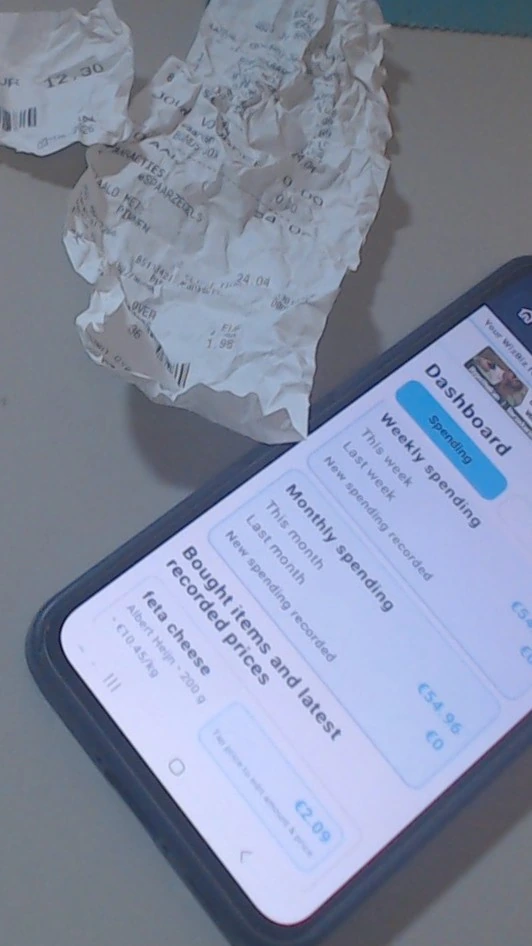
When prices change, a simple list can become a small budget decision tool.
The feeling that every supermarket trip cost more than expected
For a long time, grocery shopping felt simple: make a list, go to the supermarket, buy what is needed, come home. But slowly, every trip started to feel heavier. The total at the checkout was higher than expected, even when the cart did not look very different from the week before.
Around us, there was more uncertainty: energy prices, rent and mortgages, family expenses, work pressure, and the feeling that every household decision needed more attention. Groceries were no longer just groceries. They became one of the few expenses I could actually try to understand and improve.
At the same time, supermarkets know exactly how to pull us in. Big signs, bright offers, loyalty cards, “2 for 1” shelves, products placed at eye level, smaller packages that look almost the same, and discounts that feel urgent. Some offers are useful, but some make you buy more than you planned or choose a store because it feels cheaper, not because it really is cheaper for your basket.
That was the frustrating part for me. I did not want to guess anymore. I wanted to know: which supermarket really helps me lower my grocery costs? Which shopping trip was expensive because of prices, and which one was expensive because I added too many unplanned items? Which list should I repeat, and which list should I improve?
That need became part of WizTick. A grocery list can be more than a reminder. It can become a small memory of what you bought, how your spending changed, and which supermarket might be smarter for the next shopping trip.
Why monitoring grocery spending matters
This story is about the moment I realised a grocery list should not only help me remember what to buy. It should also help me understand where my money goes, especially when everything around us feels more expensive and uncertain.
A few cents or euros on everyday products can become a noticeable difference when the same items return every week.
A promotion can feel like saving money, but the full basket total is what matters at checkout.
One store may be better for fresh food, another for household basics, and another only when specific discounts are active.
The next step is comparing your own shopping reality
The goal is not to make people anxious about every product. The goal is to give households more clarity. When you can monitor your spending, you can start seeing patterns instead of relying on memory.
Over time, WizTick is being developed toward helping users compare grocery lists, review supermarket spending, and decide where the next shopping trip may cost less. That means your own history can help you make better choices, instead of supermarket advertising making the choice for you.
For me, lowering costs starts with visibility: what did I buy, where did I buy it, and what did it really cost? Once that is clear, the next grocery trip becomes a little less random and a little more intentional.
Want to start monitoring your grocery budget instead of guessing at checkout? See how WizTick connects grocery lists with spending and budgeting.
Open Spendings & Budgeting